
Paterson's Curse Urban Bushland Council WA
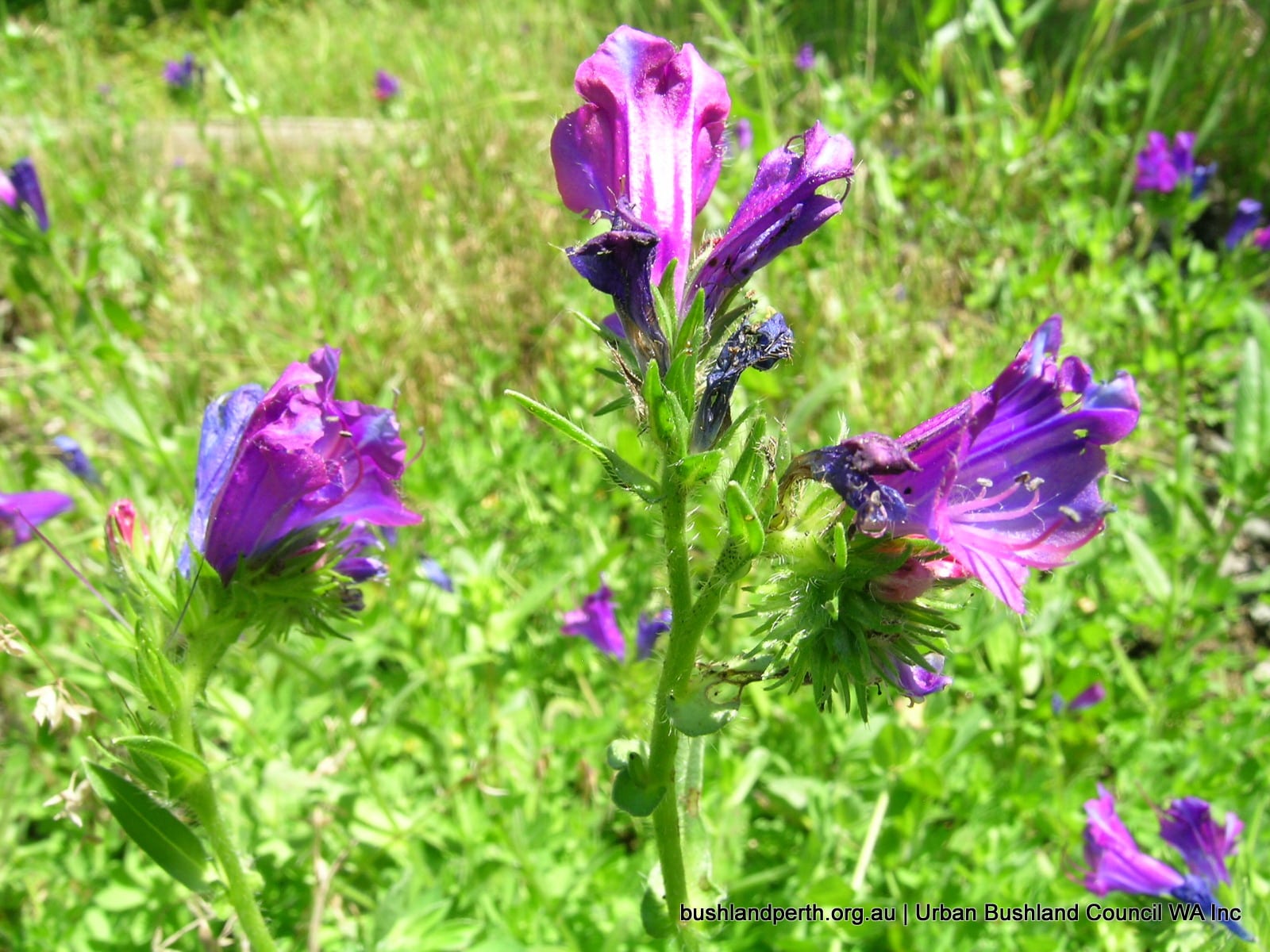
Paterson's curse is a declared plant (noxious weed) and is a target for biological control. Paterson's curse is an annual plant native to the Mediterranean region. It is a classic 'garden thug' having been introduced via mail order gardening catalogues in the 1840s, then rapidly invading agricultural land.
26 Paterson's curse infestation map, Gumble Creek, derived from matched... Download Scientific

Paterson's curse, introduced to Australia from Europe during the mid-nineteenth century, is Australia's worst broadleaf temperate pasture weed. Its high seed production (thousands of seeds per square metre), seed longevity of more than seven years and an ability to germinate at any time of year, given the right conditions, contribute to making.
Paterson’s Curse (Echium plantagineum) Weeds of Melbourne
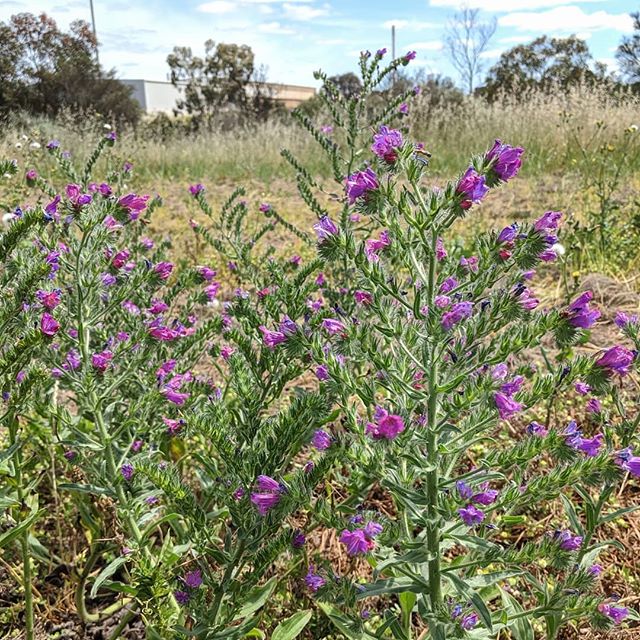
paterson's curse weed warning Background Paterson's curse (Echium plantagineum) is native to the western Mediterranean, and was introduced to Australia in the mid-1800s as a garden plant. It took little time to show its weedy tendencies, and before long, had become established as one of the worst pasture weeds of southern Australia.
Paterson's curse, (Echium plantagineum), NSW, Australia Stock Photo Alamy
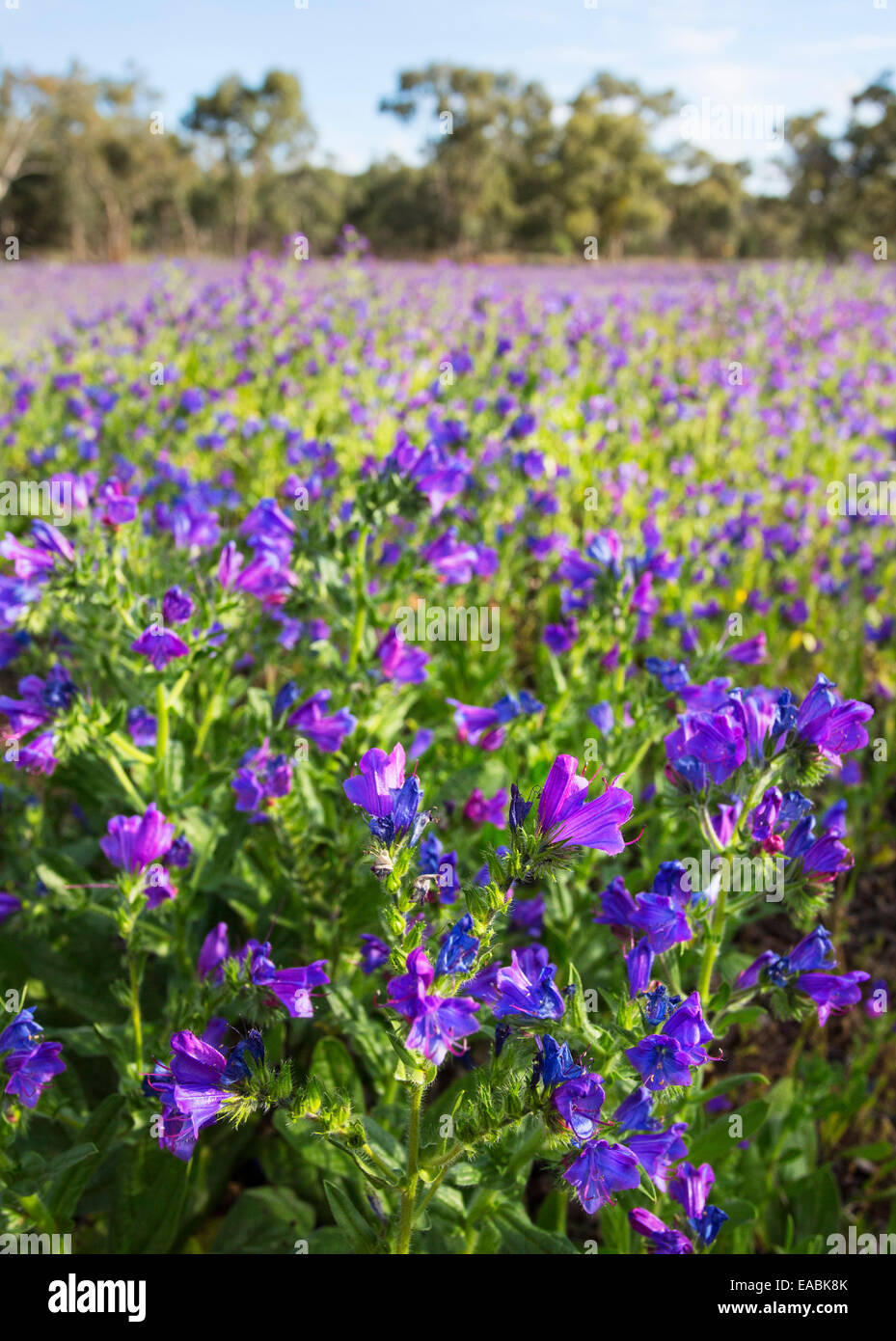
Paterson's curse is native to Mediterranean Europe and northern Africa. It was both accidentally and deliberately introduced to Australia in the 1850s and by 1890 it was showing potential as a major weed. Paterson's curse now occurs in all States and Territories in Australia.. Slashing does not kill Paterson's curse outright but can.
Paterson’s curse control
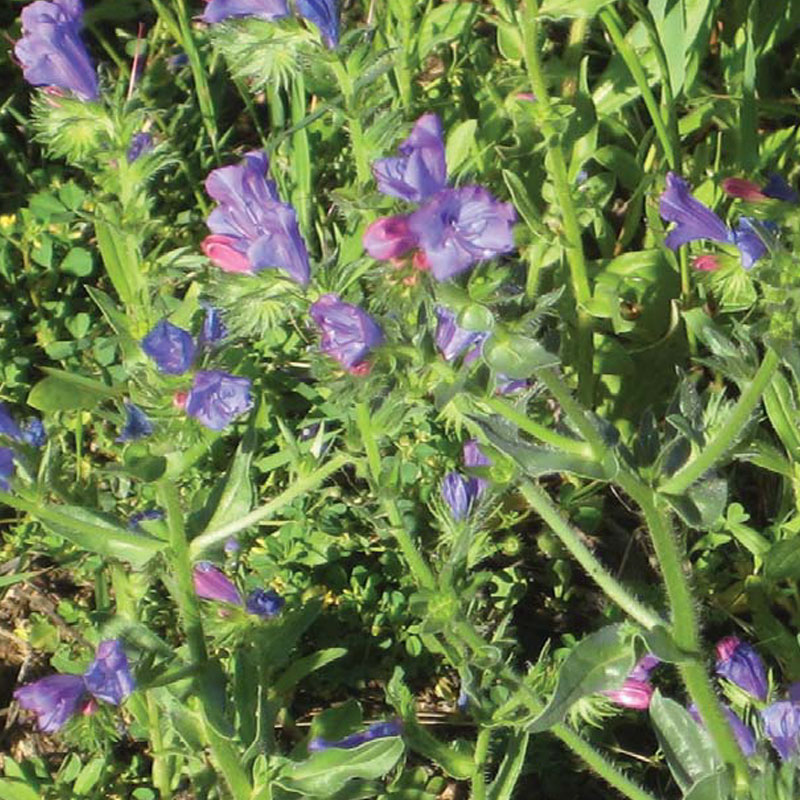
Paterson's curse is a wide spread problem and biological control on its own is unlikely to be the complete answer. An integrated approach to Paterson's curse control is encouraged using a range of management options including spray-grazing, grazing management, pasture competition and biological control. 5.6.
Patersons Curse Hunter Regional Weeds
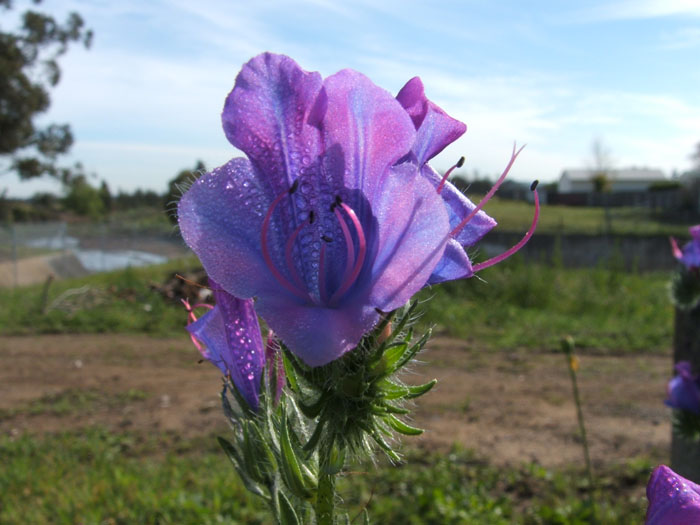
A field of Echium plantagineum near Shepparton, Victoria. Paterson's curse or Salvation Jane (Echium plantagineum) is an invasive plant species in Australia.There are a number of theories regarding where the name Salvation Jane originated, and it is mostly used in South Australia.These explanations include "salvation jane" (lower-case "jane") referring to the flower which looks similar to.
Paterson’s Curse (Echium plantagineum) Weeds of Melbourne

Managing Paterson's curse to boost pasture production Paterson's curse is a major pasture weed throughout southern Australia, infesting an estimated 33 million hectares and costing about $30 million annually. While more common in high rainfall temperate areas, it grows over a wide area due to its tolerance of different climates and soils.
Weevils spell trouble for Paterson’s curse Get Regional
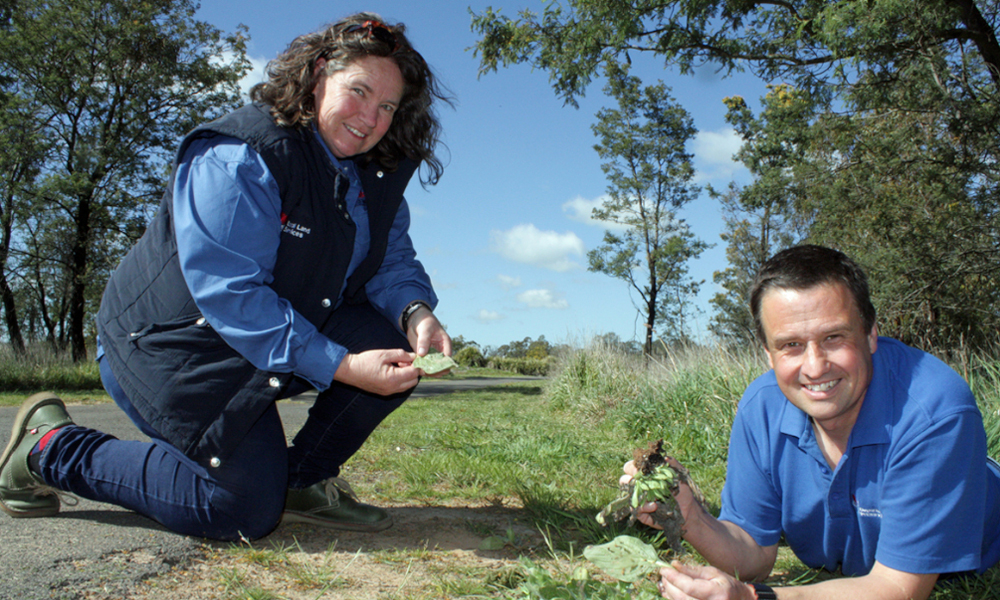
"With the right population levels crown and root weevils can kill Paterson's curse plants and its close relative, viper's bugloss.. The Paterson's curse national biocontrol program has been an outstanding success, with a net present value of $1.2 billion in 2006, clearly that figure is substantially higher in 2020..
Paterson’s Curse (Echium plantagineum) Weeds of Melbourne
Paterson's Curse often establishes after overgrazing, cultivation or other disturbance and then prevents other more desirable species establishing.. This will kill most broad leaf plants, but not grasses, and leaves residual herbicide in the soil that controls seedlings for about a year. For larger areas spray with 0.5 g chlorsulfuron(750g.
Paterson’s curse returns Riverine Herald
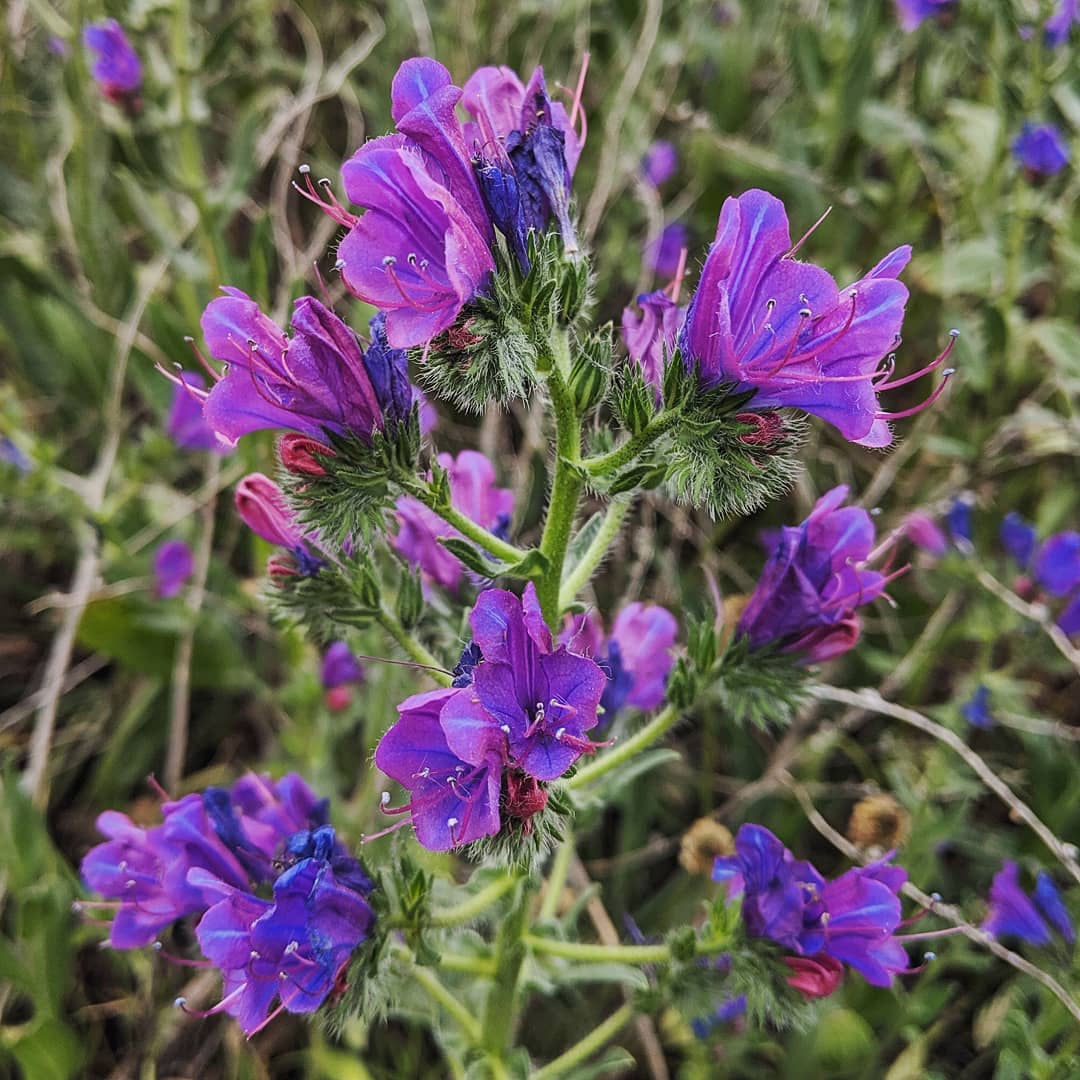
With its vibrant purple flowers, Paterson's Curse is often mistaken for a native wildflower but is in fact one of the most conspicuous weeds in paddocks and roadsides throughout Australia. Supposedly named after the Paterson family of Cumberoona, New South Wales - who planted it in their garden in the 1880s - the weed is now highly competitive in disturbed land, competing with agricultural.
Patersons Curse Hunter Regional Weeds
Echium plantagineum, commonly known as purple viper's-bugloss or Patterson's curse, is a species of the genus Echium native to western and southern Europe (from southern England south to Iberia and east to the Crimea), northern Africa, and southwestern Asia (east to Georgia). It has also been introduced to Australia, South Africa, and United States, where it is an invasive weed.
Old writer on the block A short history of Paterson's curse
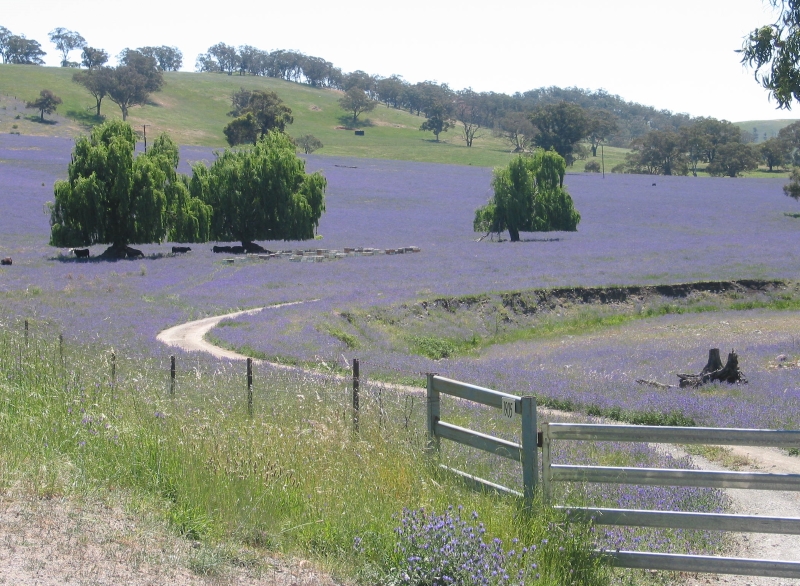
Paterson's curse is back with a vengeance. Also known as 'Salvation Jane' in some areas, Paterson's curse (Echium plantagineum) is a winter annual herb with distinctive purple flowers that can quickly take over an area. According to the NSW WeedWise website, a single plant can produce over 5,000 seeds per year. This leads to massive.
Paterson’s Curse Poisoning In Horses — Meander Valley Veterinary Service

Paterson's curse identification. Paterson's curse typically grows to around 60-150 cm in height, often featuring multiple branched stems arising from the plant base.. How to kill Paterson's curse. For small patches or limited infestations, where labour is not a limiting factor, manual removal of the plant is a highly effective method.
Paterson’s Curse Sinister truth behind Canberra’s beautiful Instagram spot

Paterson's curse is a native of Mediterranean Europe and northern Africa and was first recorded in Australia in 1843. It was introduced as an ornamental garden plant, but quickly became naturalised, especially in pastoral regions. In Australia, Paterson's curse has probably reached its maximum distribution based on climatic range. However,
Image of Paddock of purple flowering patersons curse (salvation jane) weeds Austockphoto
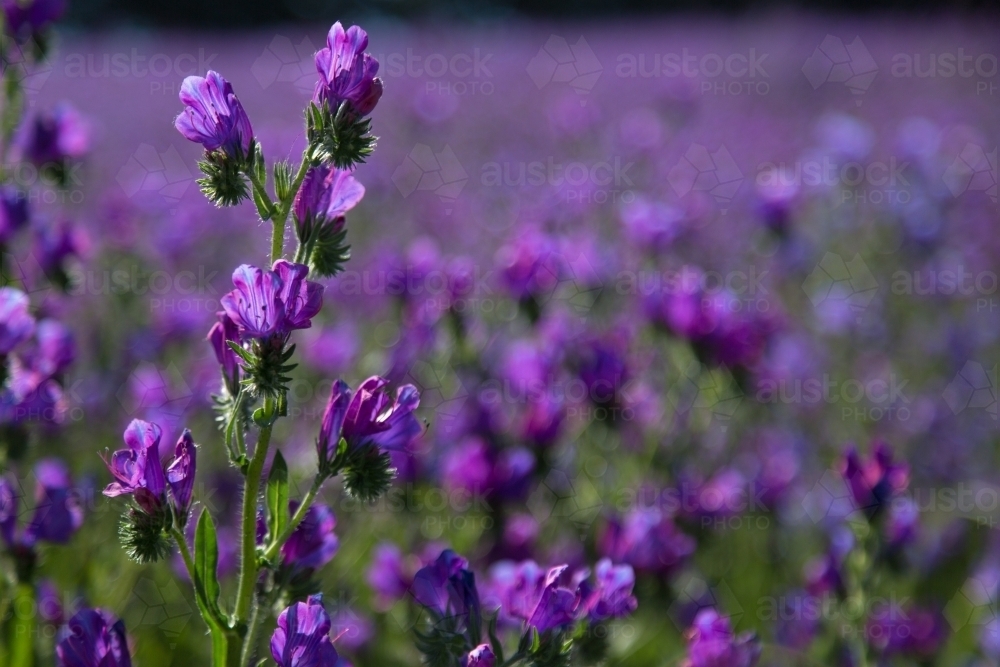
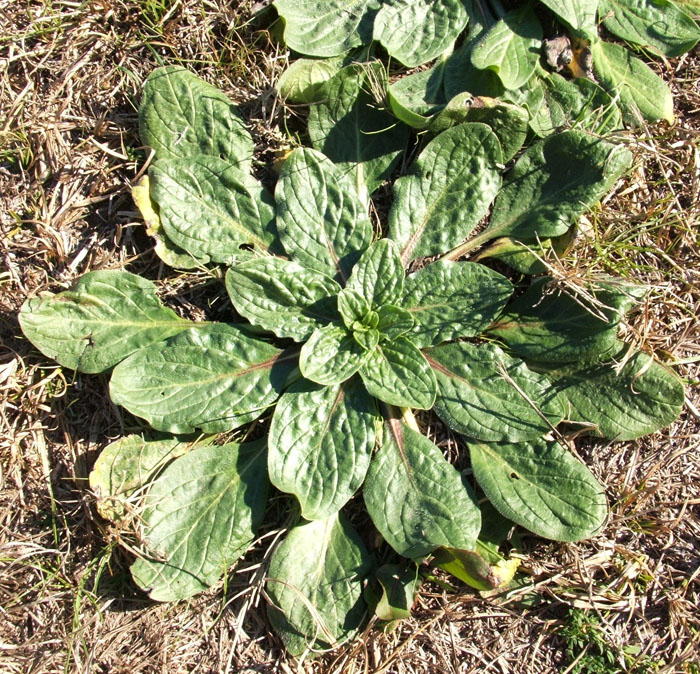
Description. If uncrowded, Paterson's curse grows as a rosette with leaves 10-35 cm long and are oval to elongated with distinct lateral veins. If densely crowded, the leaves grow upright rather than as a broad rosette at ground level. In spring, light green, bristly stems emerge which are commonly 30-60 cm tall, but can be up to 200 cm tall.
Paterson’s Curse Living Field
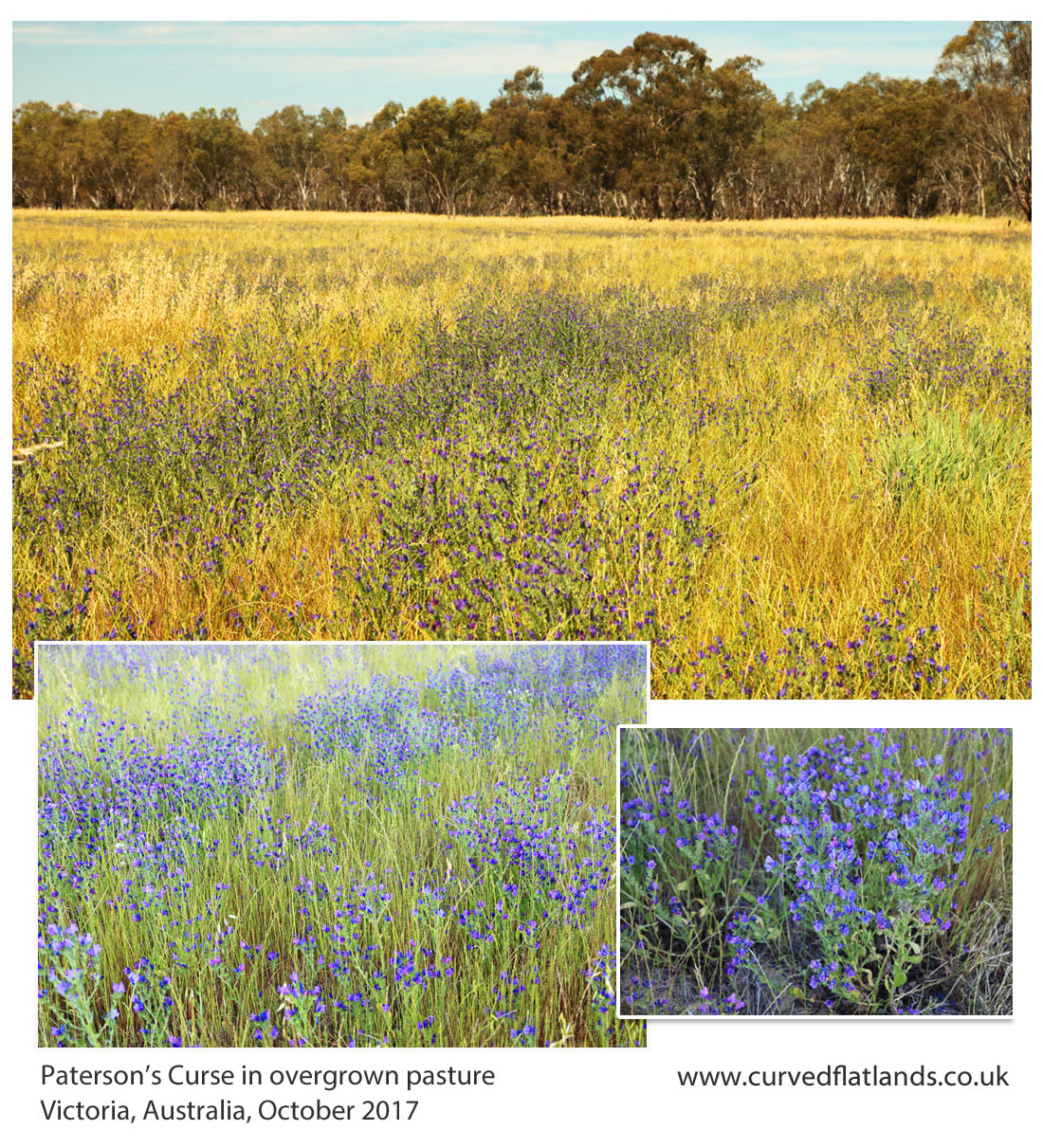
WHAT IS PATERSON'S CURSE? Paterson's curse (Echium plantagineum) is a fast growing noxious weed invading pastures, roadsides and disturbed land in the region. The weed is a target for biological control, due to its effect on agricultural land and hazard to animals when consumed. IMPACTS TO THE REGION Paterson's curse is a prolific seeder.
.