
Canine Heart Disease and Nutrition Part 1 Daily Vet PetMD
Journey into the Heart of Canine Anatomy: Unveiling the Secrets of a Dog's Cardiovascular System
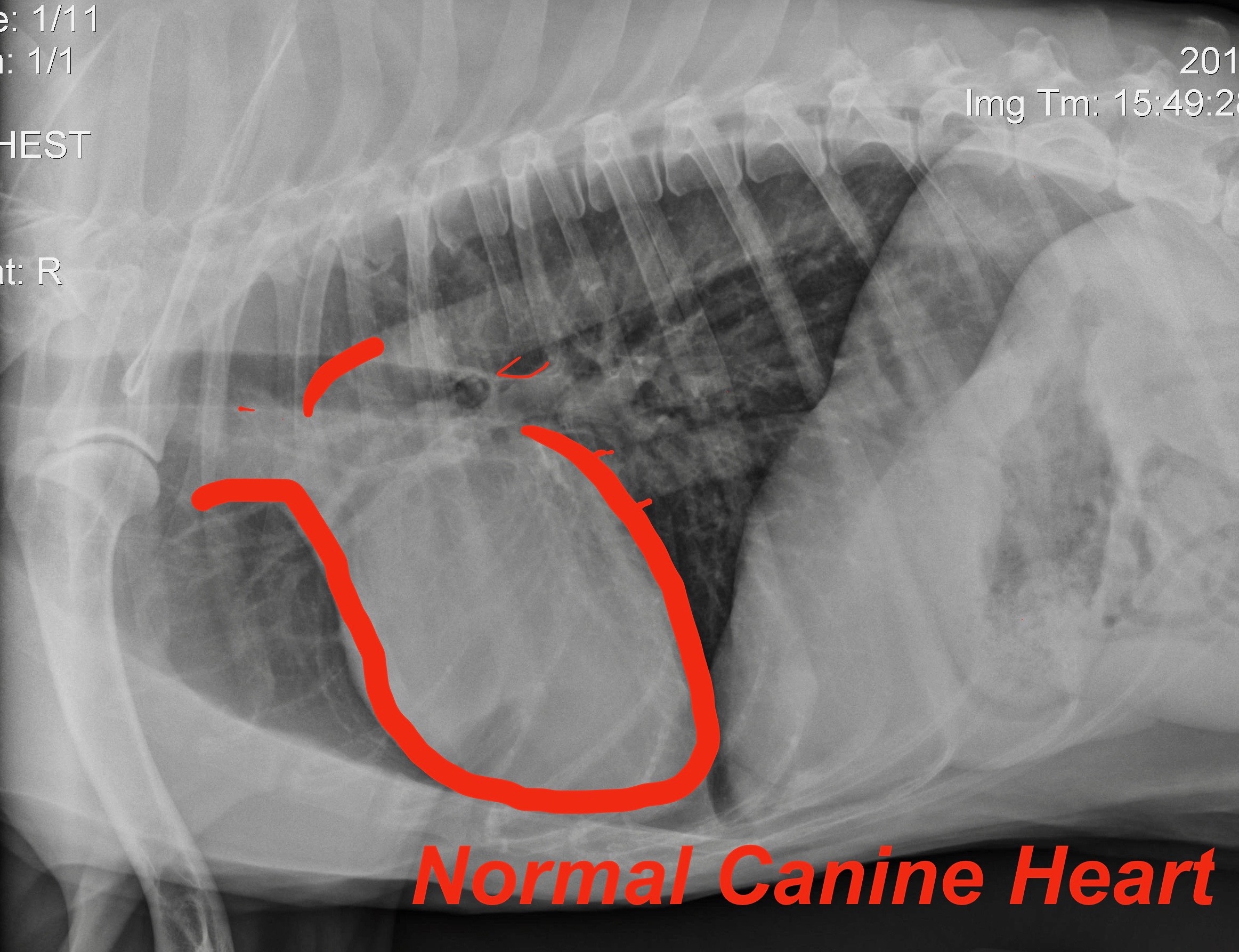
Dogheartxray Vet Ipswich caring for local pets Booval Vet Hospital, Ipswich Vet Group

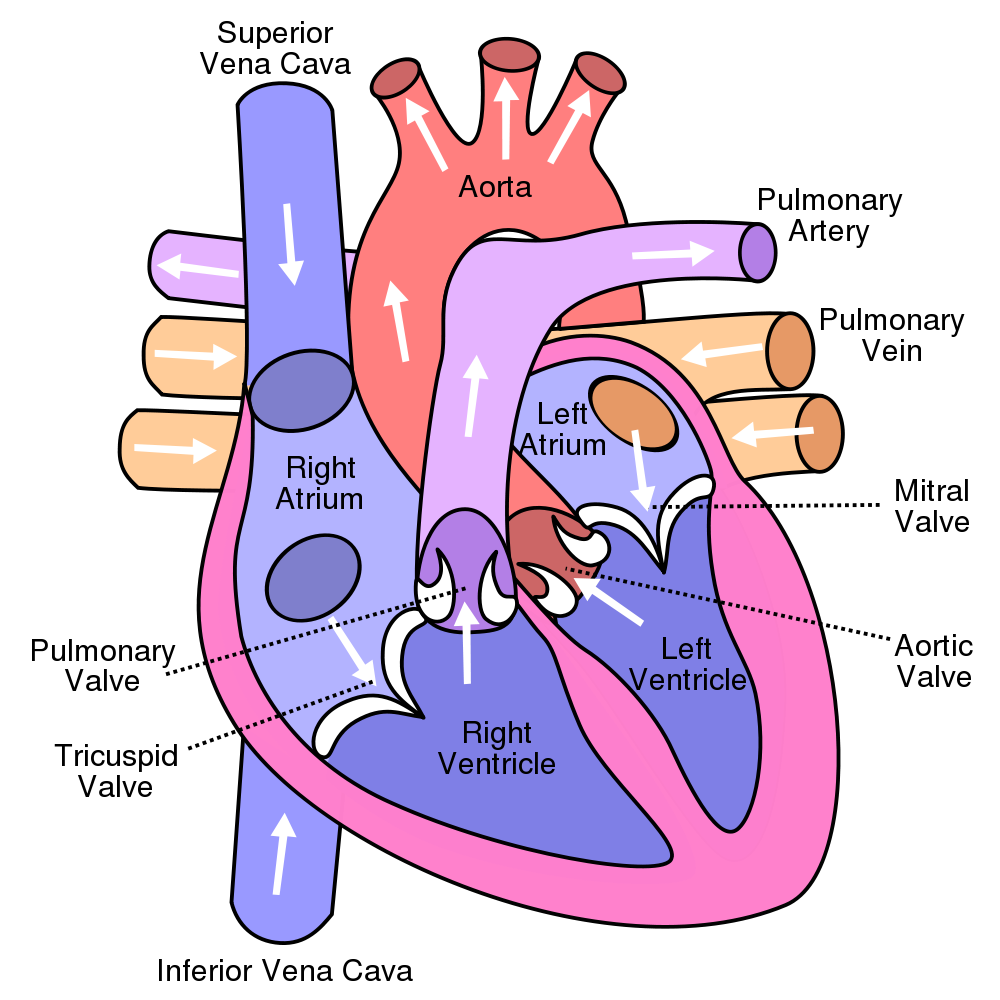
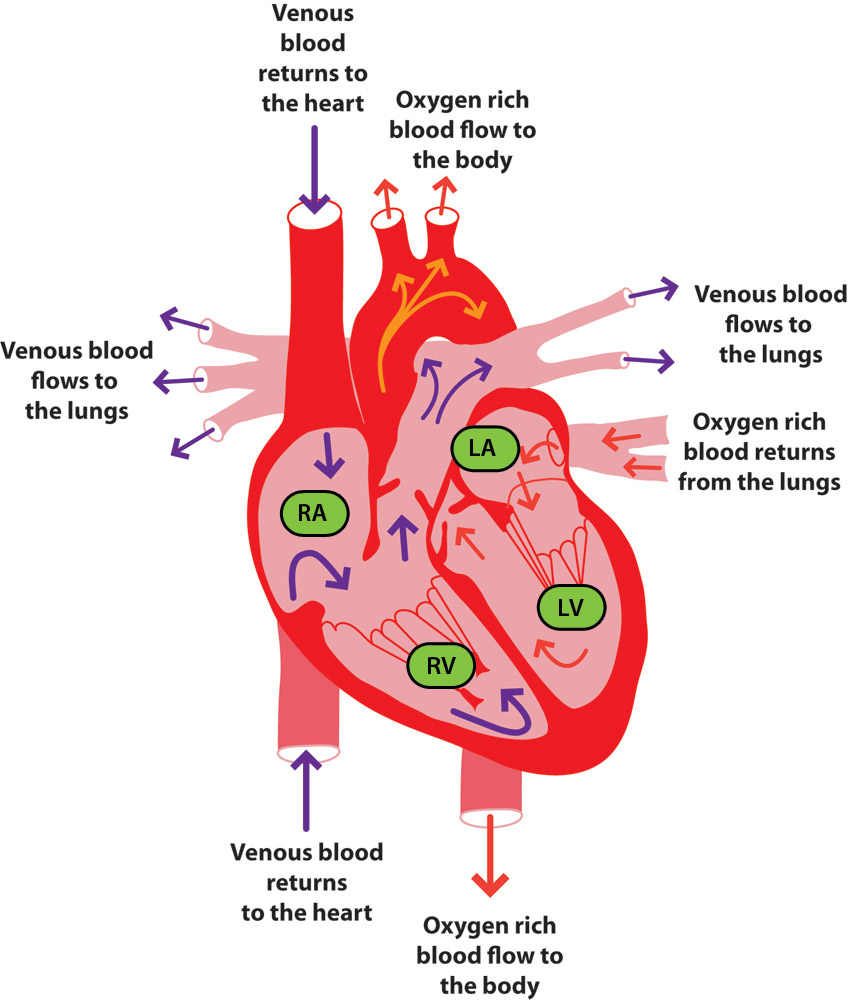
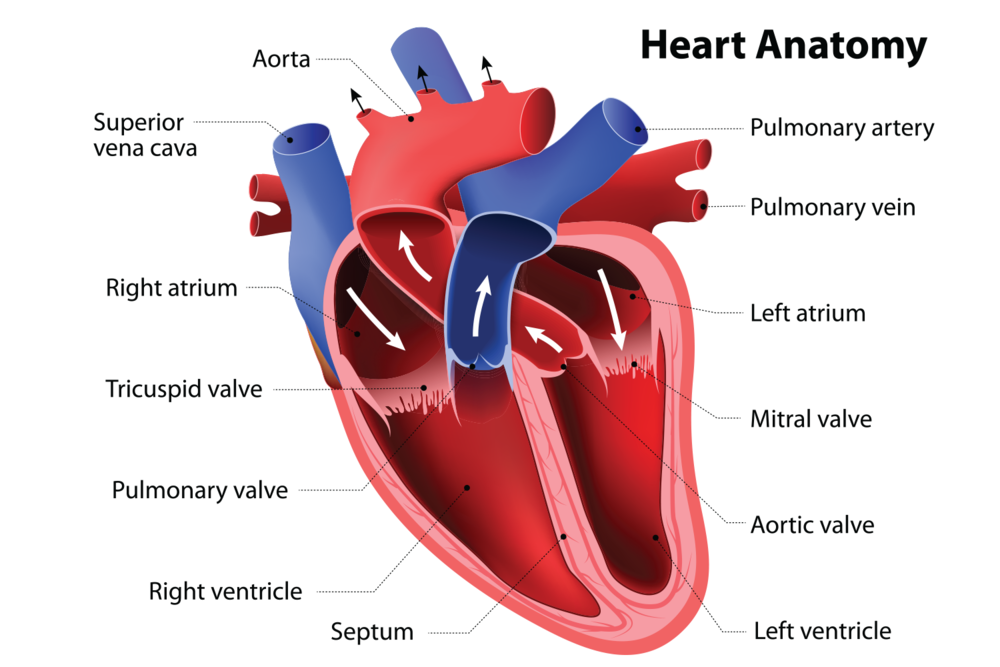
Understanding the Function of the Canine Heart. The canine heart functions as a sophisticated pump, circulating oxygenated blood to the body's tissues and organs. When the heart contracts, the atria squeeze and push blood into the ventricles. Subsequently, the ventricles contract, pumping the blood out of the heart and into the circulatory.
Dog Heart Anatomy of Circulatory System Stock Photo Alamy
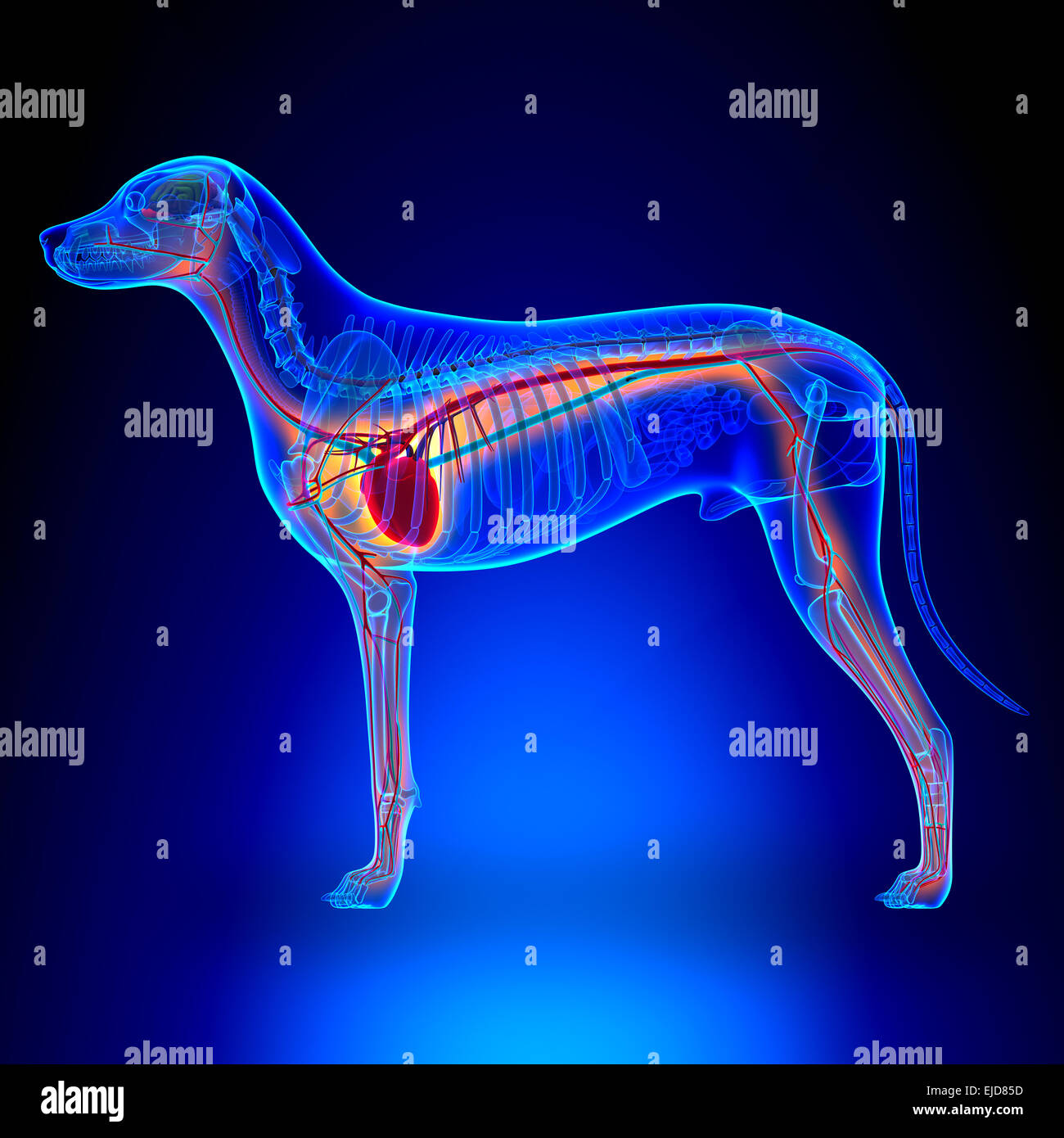
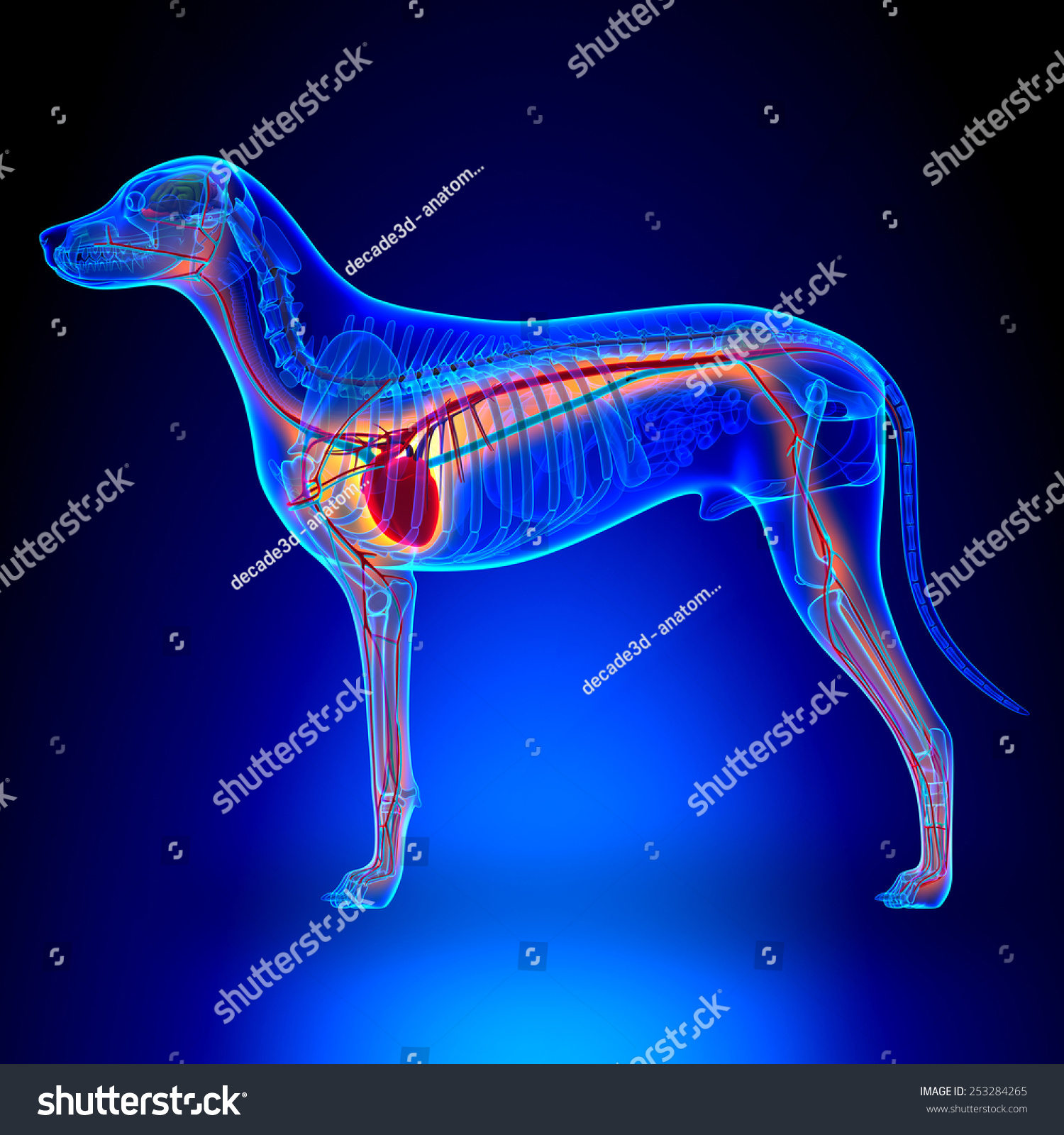
October 7, 2023 by DR HARUN, DVM. Dogs' hearts are located in the chest cavity, between the lungs, slightly to the left. Dogs have their hearts situated in the chest, in between the lungs, slightly on the left side. These vital organs are responsible for pumping oxygenated blood throughout the body, supplying nutrients and removing waste.
Dog Heart Anatomy Stock Illustrations 233 Dog Heart Anatomy Stock Illustrations, Vectors

The cardiovascular system of a dog consists of a four-chambered, oval-shaped heart and a network of blood vessels, including veins, arteries, and capillaries. The right side of a dog's heart pumps blood to the lungs, while the left side pumps blood to the rest of the body. The size of a canine heart will vary depending on the dog's size.
Cardiology Canada West Veterinary Specialists
So, Where Is A Dog's Heart? A dog's heart is located in the chest cavity, between the lungs. It is protected by the ribcage and sits slightly to the left of the midline. The heart is responsible for pumping blood throughout the body, delivering oxygen and nutrients to the organs and tissues. Understanding the location of a dog's heart is.
Dog Heart Anatomy Circulatory System illustrazione stock 253284265 Shutterstock
Dilated Cardiomyopathy is a weakness in the heart muscle that causes the heart to become large, floppy and unable to pump blood properly. DCM is most common in large/giant breed dogs such as the Doberman and Great Dane. Arrhythmias. An arrhythmia is an abnormal heart beat rhythm that can cause fainting episodes. Congenital heart disease.
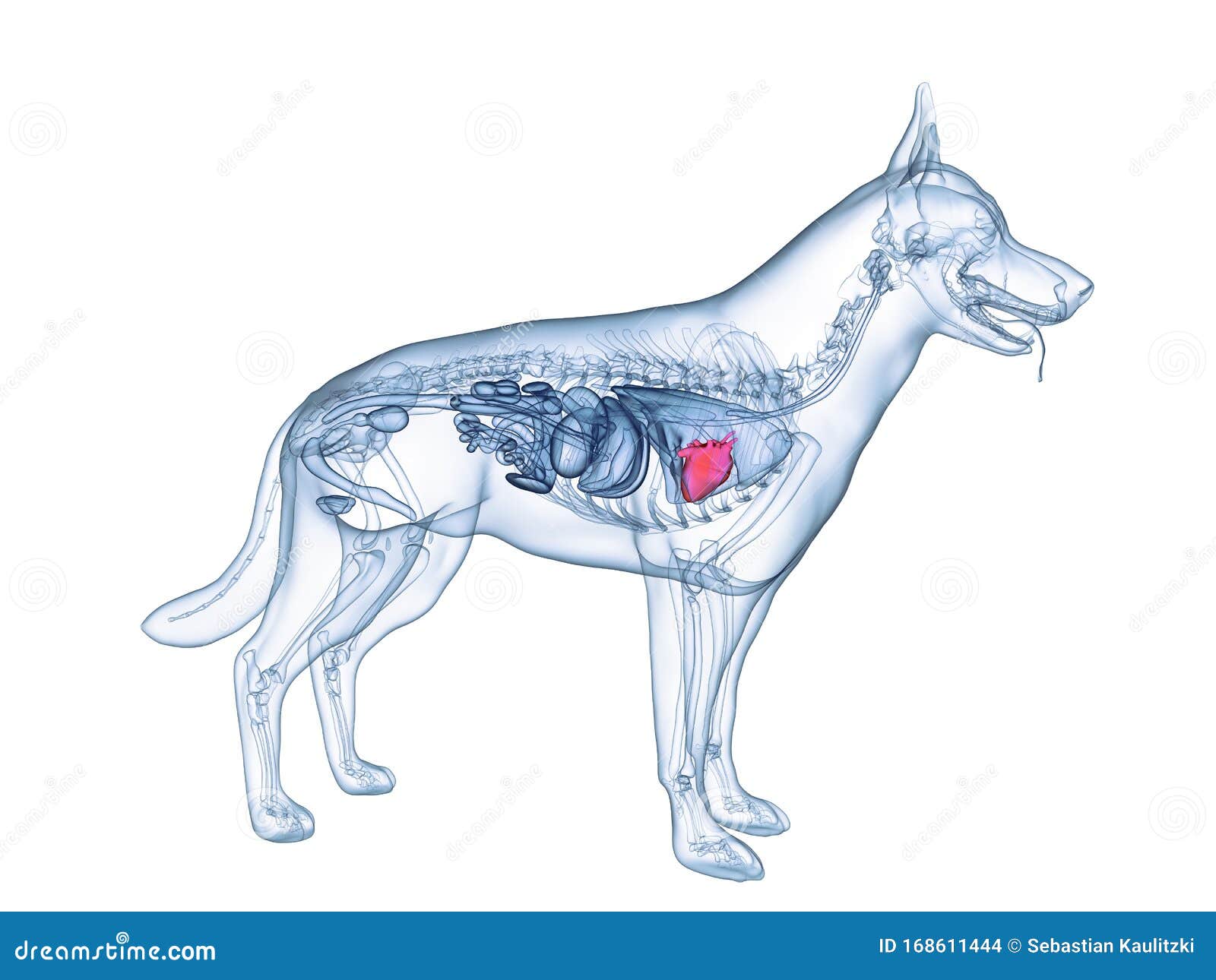
The dogs heart stock illustration. Illustration of graphic 168611444
The heart beats because of a tiny electrical current that originates in the heart's pacemaker called the sinoatrial node.Rhythmic electrical impulses or discharges cause the contraction of muscle fibers in the heart. While an animal is at rest, the sinoatrial node discharges many times each minute: about 30 times per minute in the horse, more than 120 times per minute in the cat, and 60 to.
Blog NHV Natural Pet Products
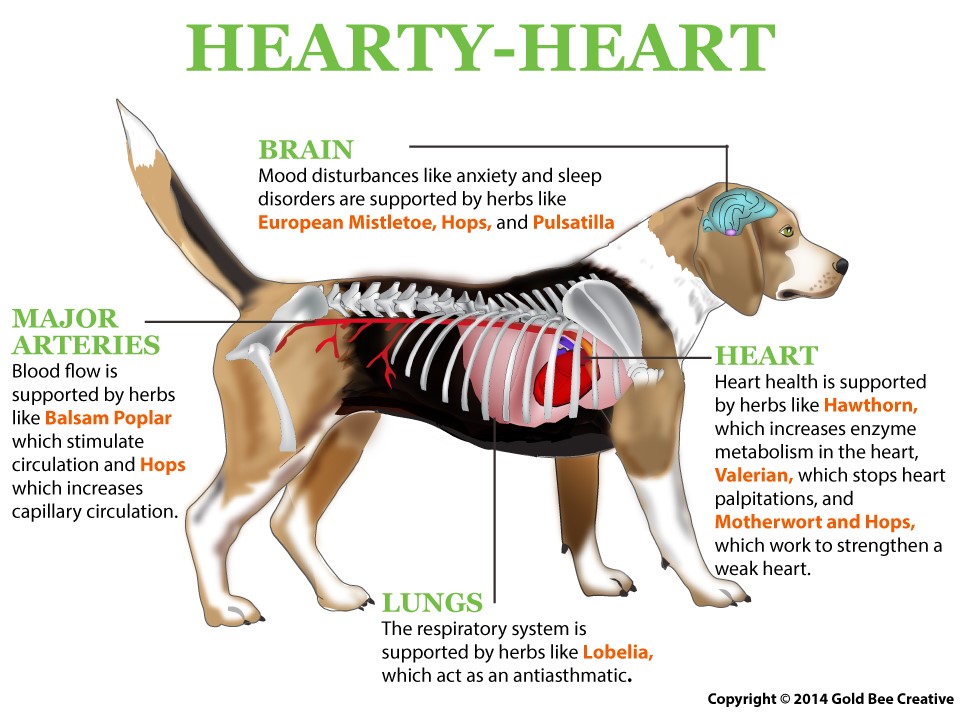
A dog's heart is located on the left side of its body. The heart is enclosed in a tough double layer of fibrous connective tissue called the pericardium. The pericardium contains two chambers, the left atrium and the right atrium. The left atrium receives blood from both ventricles via four valves, the tricuspid valve, mitral valve, pulmonic.
Where Is a Dog's Heart? Understanding Canine Heart Anatomy Great Pet Care

Normal heart rates are generally higher in puppies and small dogs than in adult dogs and large dogs. Here's a chart of average heart rates in dogs, measured in beats per minute (BPM): Type of Dog. Normal Heart Rate (BPM) Abnormally Slow Heart Rate (BPM) Abnormally Fast Heart Rate (BPM) Puppy. 160 to 220. Less than 160.
Canine Heart Health
.png?auto=compress,format)
A dog's heart is tilted slightly towards the left side of the chest and sits behind the ribs, close to the sternum.
Where Is a Dog's Heart? Understanding Canine Heart Anatomy Great Pet Care

Discover its four chambers, the intricate dance of valves regulating blood flow, and the amazing variations in heart size across different dog breeds. Embark on a journey into the beating heart of our canine companions. The heart of a dog, like that of humans, is responsible for pumping oxygenated blood throughout the body.
Canine and Feline Heart Disease Causes, Treatment and Prevention
A Lesson on Canine Heart Anatomy. The dog's circulatory system is quite similar to that of humans. The heart has four chambers. The two upper chambers are the left and right atria, while the stronger, lower chambers are the right and left ventricles. Blood exits the tissues of the body, travels toward the heart via the blood vessels, and enters.
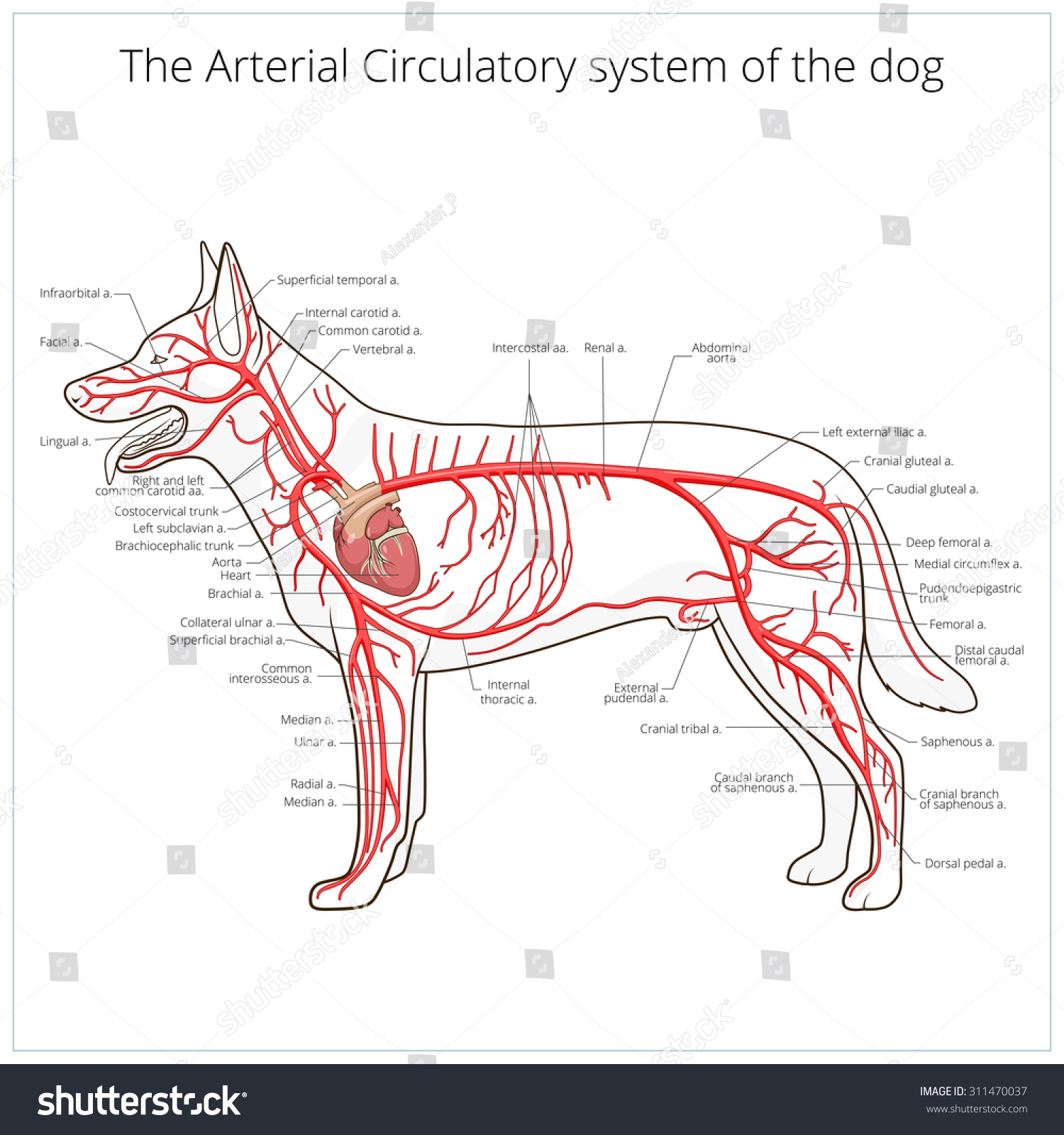
Arterial Circulatory System Of The Dog Raster Version Stock Photo 311470037 Shutterstock
Cats and dogs have different reactions to this also. An increase in preload causes a marked increase in stroke volume for the normal heart, but only a modest increase in stroke volume for a failing left heart. So this compensatory mechanism has only a modest positive effect on cell perfusion.
Cardiology Respiratory Glasslyn Veterinary Surgery
Step two. Once you find the heartbeat on a dog, you'll need that phone, watch, clock with a seconds hand, or a stopwatch. Count the number of times the dog's heart beats in a 15 second time period.
dog anatomy heart circulation Stock Photo Alamy
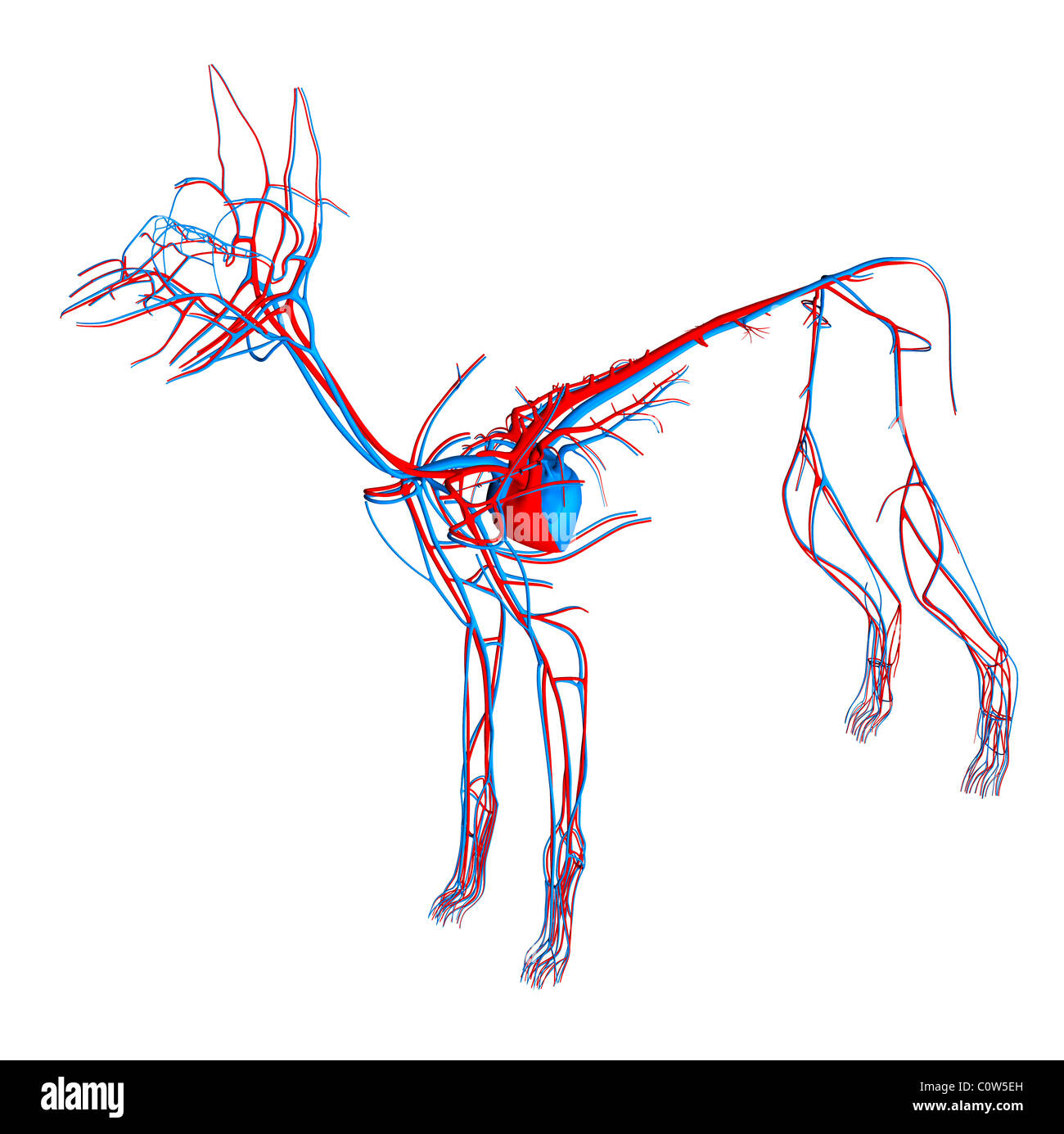
Where Is A Dogs Heart. As a pet owner, it is important to have a basic understanding of your dog's anatomy and physiology. One crucial aspect to be aware of is the location of your dog's heart.
dog anatomy heart circulation with transparent body Stock Photo Alamy
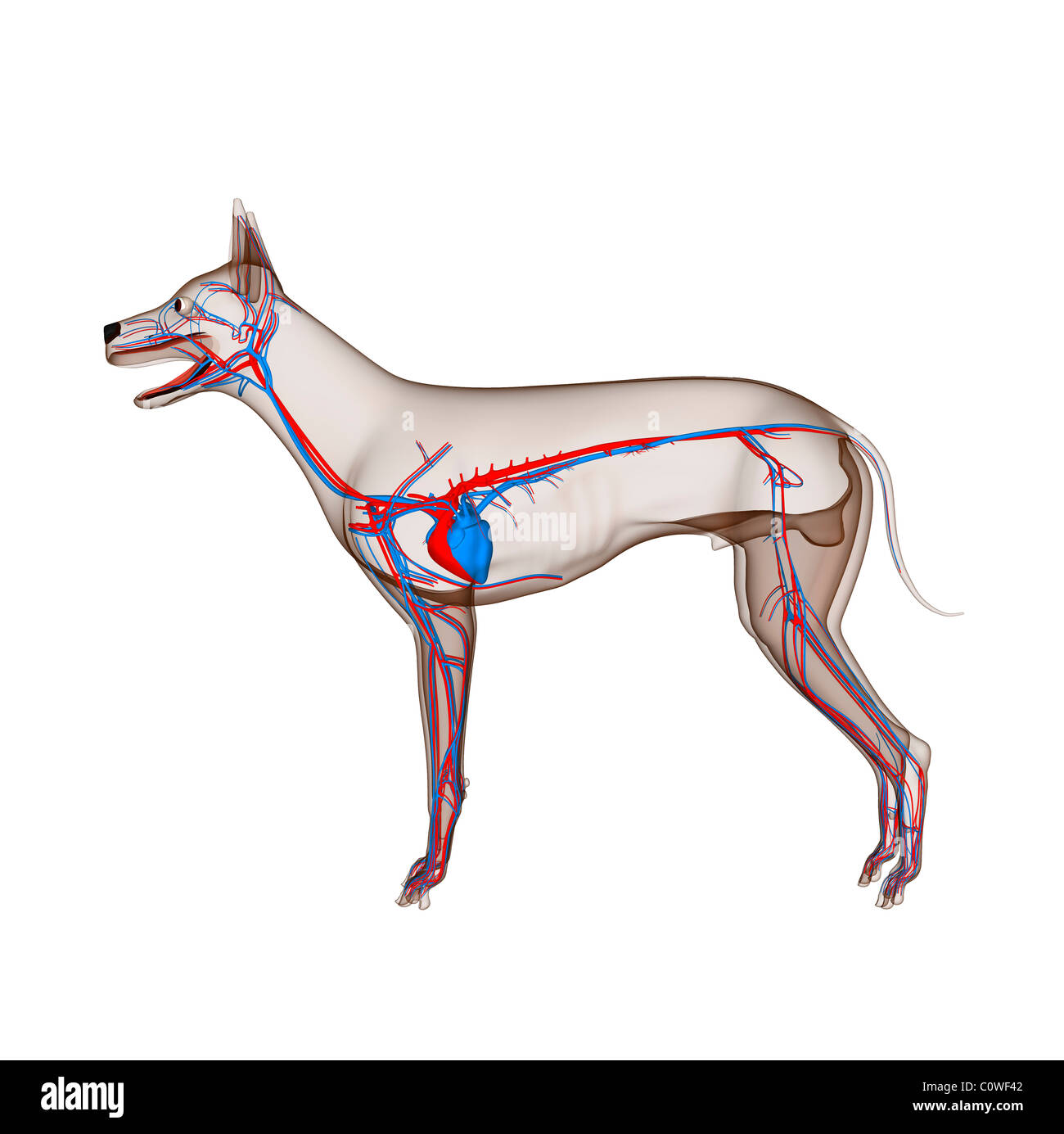
A dog's heart is located in the chest cavity, between the lungs. Specifically, it is located in the lower part of the thorax, slightly to the left side of the body.
.