
Did the Buddha ever list all mental states? r/Buddhism

1. Cetasika (mental factors; pronounced "chethasika") appear concomitantly with citta (thoughts; pronounced "chiththa"), and they cease together with citta. They define the character (good or bad or neutral) of the citta. The way to " Lead a Moral Life ," or to " Seek Good Rebirths ," or to " Seek Nibbāna " is to get rid of.
Spiritual Archives Balance Buddhist wisdom, Buddhism beliefs, Buddha teachings

The 52 Mental Formations: 1. Contact 2. Feeling 3. Perception 4. Volition 5. Concentration of mind 6. Psychic life 7. Attention 8. Initial application 9. Sustained application. 52. Appreciation (from Dhammasangani, the first book of the Abhidhamma) References. The Complete Book of Buddha's Lists -- Explained. David N. Snyder, Ph.D., 2006.
How Buddhism explains Mental Health Issues MeetandGreet Dan Tang YouTube

AFFLICTIVE MENTAL STATES The Buddhist View Buddhism does not distinguish between emotions and other mental processes. Instead, it is concerned with understanding which types of mental activity are truly conducive to one's own and others' well-being, and which ones are harmful, especially in the long run.
This map shows regions and those regions main religions India world map, Buddhism, Map

OttappaMoral fear 32. AlobhaNon-greed 33. Adosa Non-hatred 34. Tatramajjhattatā Equanimity 35. Kāyapassaddhi Tranquillity (of mental factors) 36. CittapassaddhiTranquillity (of consciousness) 37. Kāyalahutā Lightness (of mental factors) 38. Cittalahutā Lightness (of consciousness) 39. Kāyamudutā Pliancy (of mental factors) 40.
Buddhism Facts and Beliefs 10 Interesting Facts about Buddhism a buddhist, Buddhist

These seven mental states are common to every consciousness. (Particulars-6) [unlike the Universals these cetasikas are found only in certain classes of consciousness] § 3. (ii) Initial Application, Sustained Application, Decision, Effort, Joy, Conation. These six mental states are termed Particulars.
Buddhism daveharbud Xmind

See Abhidhamma for a list of 50 mental factors, 52 in total, but feelings and perceptions are their own aggregates, so the rest of them are mental formations. Easy guide is, whatever is of the mind, no consciousness, feeling or perception, they are volitional formations.
Buddhism UPSC Notes EduRev
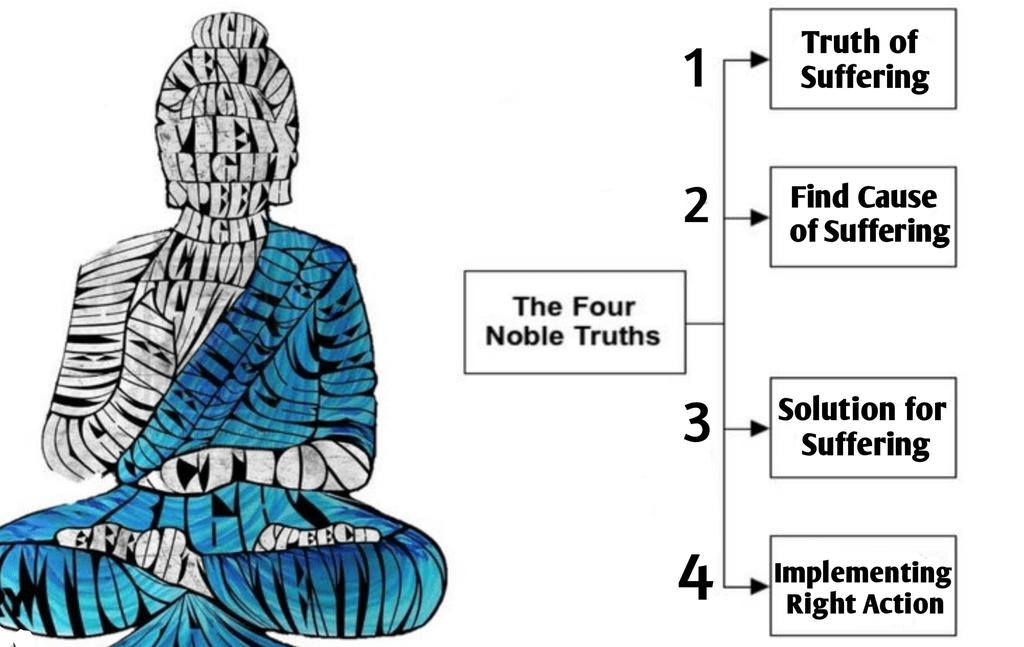
There are many different systems of abhidharma (chos-mngon-pa, special topics of knowledge), each with its individual count and list of mental factors.Often, the definitions of the awarenesses they assert in common differ as well. For example, the Theravada system presented in An All-Inclusive Text on Points from Topics of Knowledge (Pali: Abhidhammattha-sangaha) by Anuruddha outlines fifty.
Book MeditativeStatesInTibetanBuddhismTheConcentrations and Formless Absorbtions Leah

four mental factors and shows us how they can be applied and practised in our daily life. Nyanaponika era (1901-1994), a German Jew, was one of the most highly respected Buddhist s olar monks in modern times. One of the founding members of the Buddhist Publication Society (BPS), Kandy, Sri Lanka, he
The Five Precepts in Buddhism Wat Buddha Oregon

Orthodox and Heterodox Schools. In Buddhism, citta, mano, and vinnana are three of the main terms to do with mind and mental states. These terms are highly nuanced but are roughly translatable as heart, mind, and consciousness, respectively. These are best understood as processes, not substances, and none are permanent.
Buddhism UPSC Notes EduRev
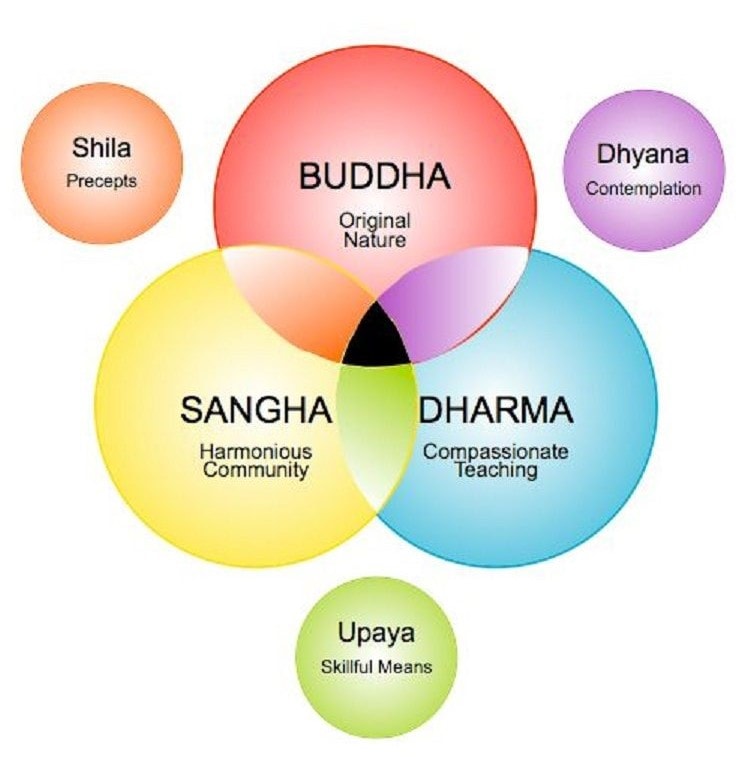
The Five Mental Hindrances are: 1. Sensual desire 2. Ill will 3. Sloth and torpor 4. Restlessness and remorse 5. Skeptical doubt. "They are called 'hindrances' because they hinder and cloud . . . the development of the mind ( bhavana ).
Mind Map Schools of Buddhism Buddhism facts, Buddhism, Mahayana buddhism

Buddhism believes that a person is a combined cluster of elements. There is no permanent entity as 'a person'. It is merely a name for a combination of component parts: the 5 aggregates (Bodhi, 2007).. There are 52 mental factors according to the classification of the Abhidhamma, and not all of them arise together with the citta. But.
Buddhism Beliefs Everything That You Need to Know TheMindFool
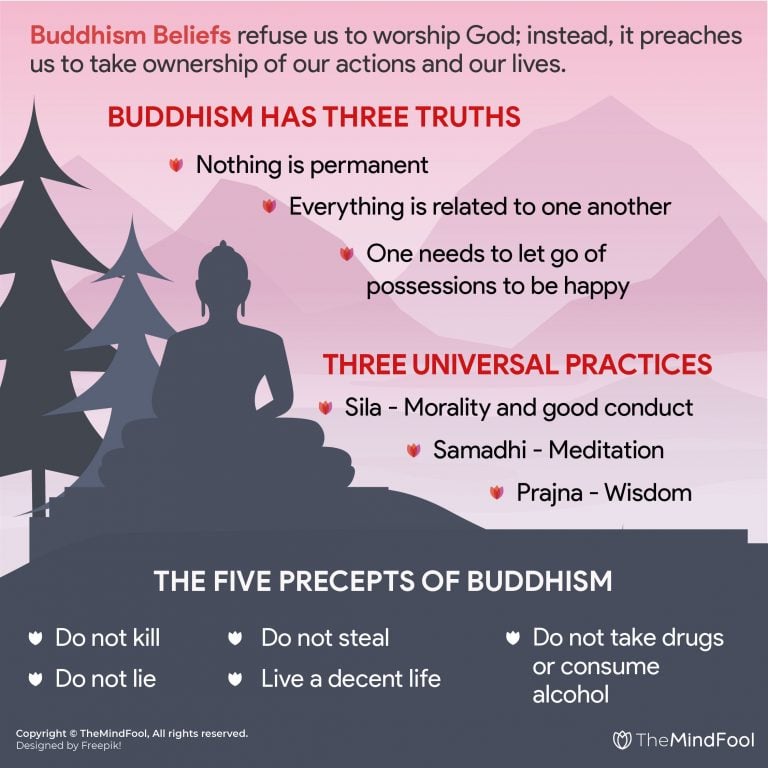
This situation is the reason Buddhist teachings give considerable importance to mental cultivation, bhāvanā. The prevalence of such concern in the early Buddhist teachings has found its expression in various categories that identify mental states or factors that are either detrimental to one's mental well-being or else beneficial for mental.
PPT Buddhism PowerPoint Presentation, free download ID3278798
4. Concentration / attention / mental application - focused grasping of an object of awareness. 5. Contact - the connection of an object with the mind, this may be pleasurable, painful or neutral as experienced by the aggregate of Feeling.
Buddhism XMind Online Library

Mental factors (Sanskrit: चैतसिक, romanized: caitasika or chitta samskara चित्त संस्कार; Pali: cetasika; Tibetan: སེམས་བྱུང sems byung), in Buddhism, are identified within the teachings of the Abhidhamma (Buddhist psychology). They are defined as aspects of the mind that apprehend the quality of an object, and that have the ability to color.
Wisdom Quarterly American Buddhist Journal In Buddhism what is the "Truth"?
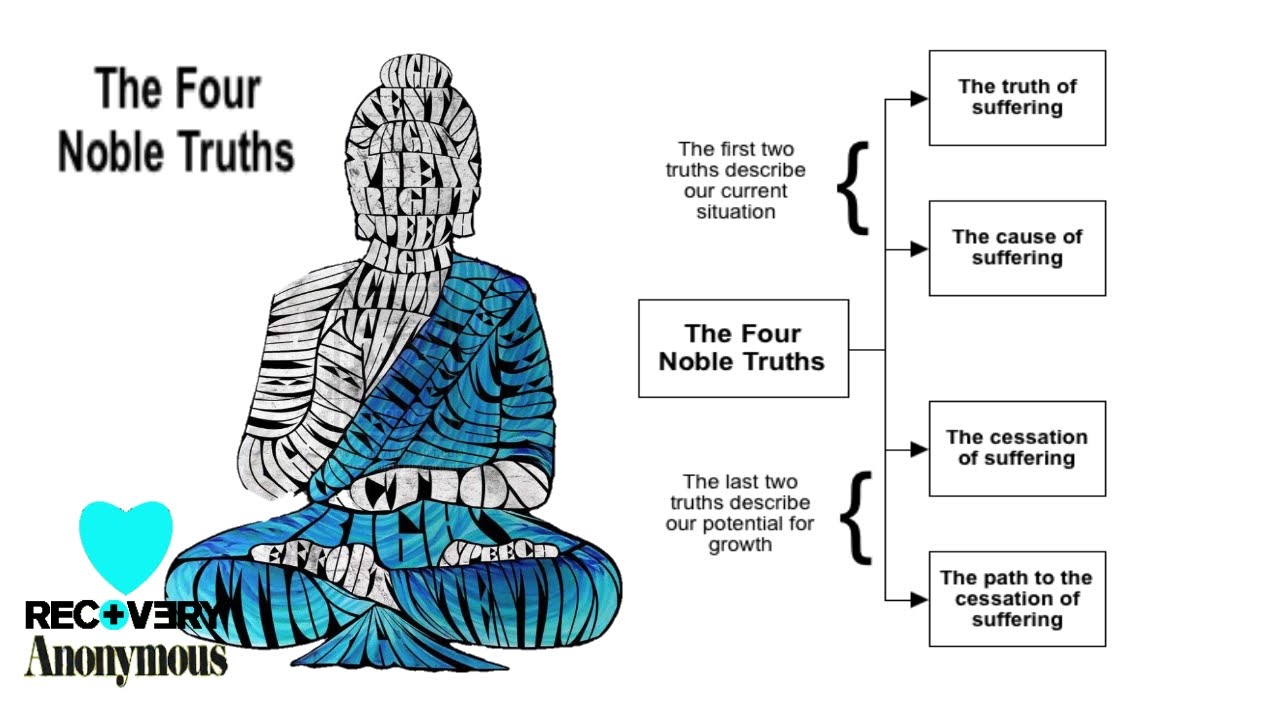
Introduction. Mental factors are aspects of the mind that apprehend the quality of an object and have the ability to color the mind. Geshe Tashi Tsering sates: . The Tibetan for mental factors, semlay jungwa chö (Skt. chaitasika dharma), means phenomena arising from the mind, suggesting that the mental factors are not primary to the mind but arise within a larger framework.
New Page 2 [www.wabashcenter.wabash.edu]
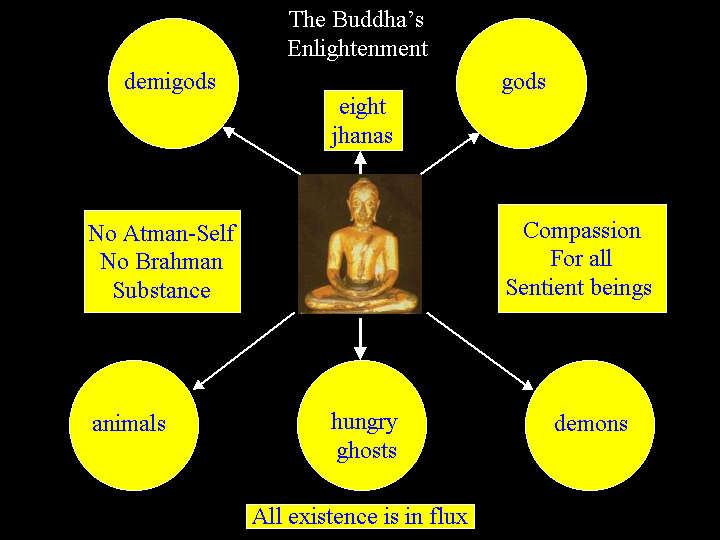
Kleshas (Skt. kleśa; P. kilesa; T. nyon mongs ཉོན་མོངས།; C. fannao; J. bonnō 煩惱) are mental states that cloud the mind and manifest in unwholesome actions. Kleshas include states of mind such as anxiety, fear, anger, jealousy, desire, depression, etc. Contemporary translators use a variety of English words to translate.
.